
Webinar Attendee Offer
Who is this for?
Borderline is designed for women who:
✅ Have been told they’re “borderline” or “keeping an eye on things
✅ Want to support blood pressure and heart health before it becomes a bigger issue
✅ Aren’t currently in a consistent exercise routine — or want something gentler and more purposeful
✅ Feel stretched, tired or overwhelmed by conflicting health advice
✅ Want guidance that’s supportive, realistic and doable
What’s included?
Over 4 weeks, you’ll receive:
✅ 3 x 15-minute pre-recorded workouts each week
Simple, beginner-friendly sessions you can do in your own time
✅ 1 live weekly group session
A mix of guided training and tailored strategies with space for questions
✅ A small group (maximum 6 women)
The focus throughout is; purposeful movement and building consistency without overwhelm
If you’re looking for:
Something calm, supportive and evidence-informed
A way to move your body without pressure or extremes
A first step that feels manageable and meaningful
Borderline is for you
Programme Details:
-
Duration: 4 weeks starting Monday 9th February
-
Group size: Maximum 6 women
-
Level: Beginner
-
Time commitment: Around 45 minutes per week + one live session (60 – 75 minutes)
- Format:
3 x 15 minute workouts will be uploaded each week for you to complete in your own time
1 x 60 -75 minute live online call will be scheduled each Tuesday at 11.30am (GMT) There will be a replay if you can’t join live
£99 webinar attendee offer
(Full price £149)
This is a one-off offer for those who attended the Stroke Prevention webinar.
There are no places on the February programme, to be the first to hear about the next programme join the waitlist now
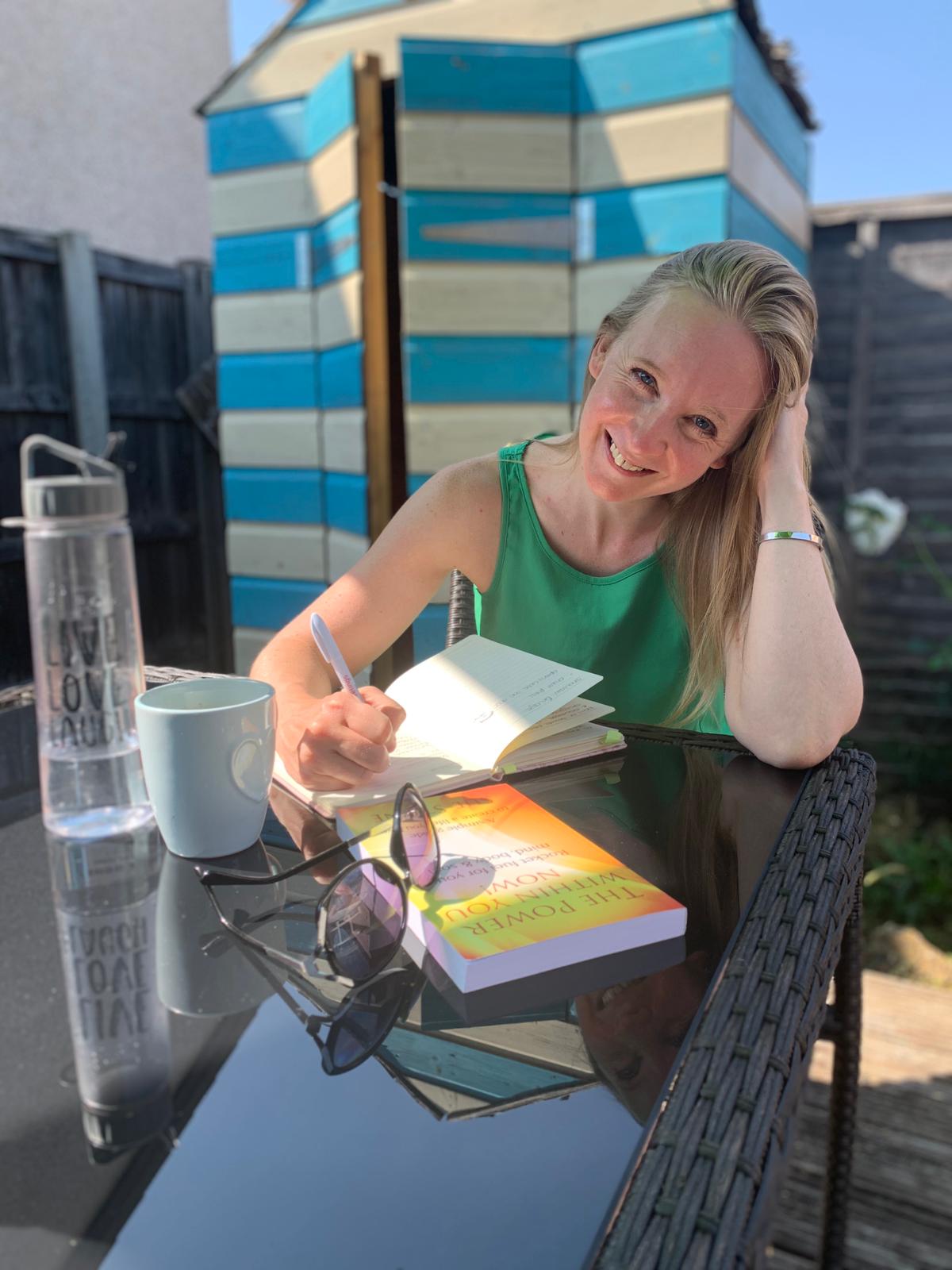
Hi, I’m Victoria
I’ve been in the fitness industry for over 20 years. My most recent focus has been helping women, including those recovering from breast cancer, to feel strong, healthy and confident in their bodies, with purposeful exercise and lifestyle strategies.
My work has always been rooted in empathy, adaptability and evidence-based care. But my perspective on prevention and long-term health became deeply personal when my dad had a stroke.
Our family was thrown into the world of rehab with very little guidance and limited support. We were left searching for answers, piecing together information and trying to support his recovery without a clear path forward. It was overwhelming, isolating and exhausting and yet a reality too many families face.
That experience changed how I see rehabilitation and prevention. It highlighted the gap that exists between medical care and everyday life.
Today, my work sits in that space; bridging evidence-based guidance with practical, compassionate lifestyle strategies that help women support their health in a sustainable way.